
SRA Annual Report 2023-24: Wellington Waterways
Close together and interlinked on the north-west side of Wellington sit Tone Works and Tonedale Mill. Large textile mills, mostly built in the 19th and early 20th centuries, now derelict.

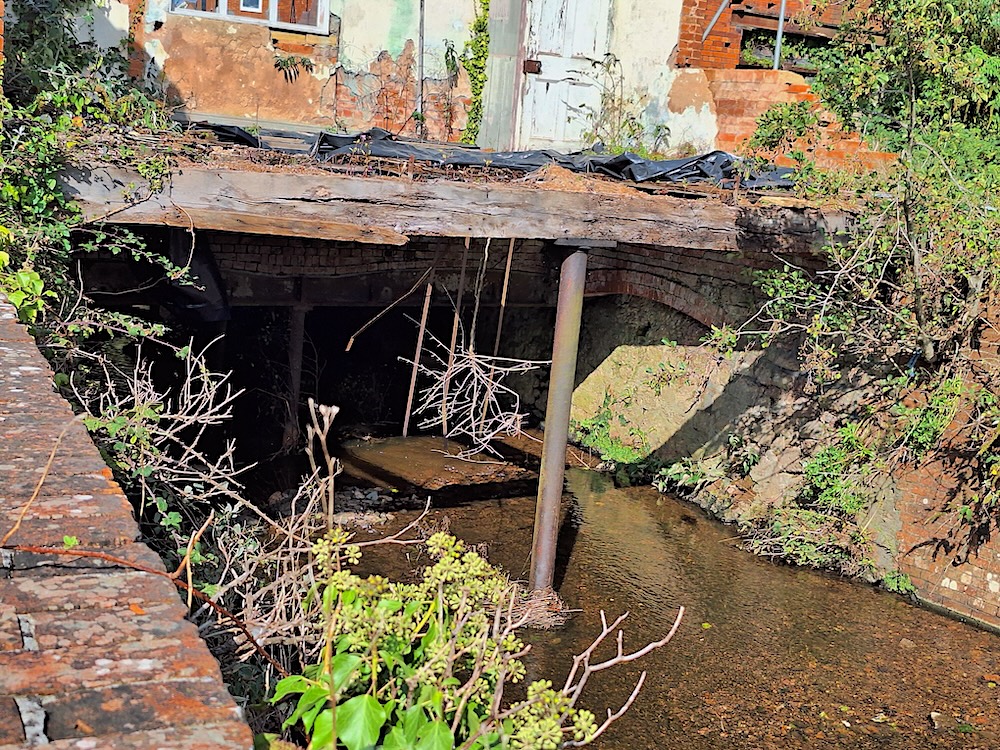
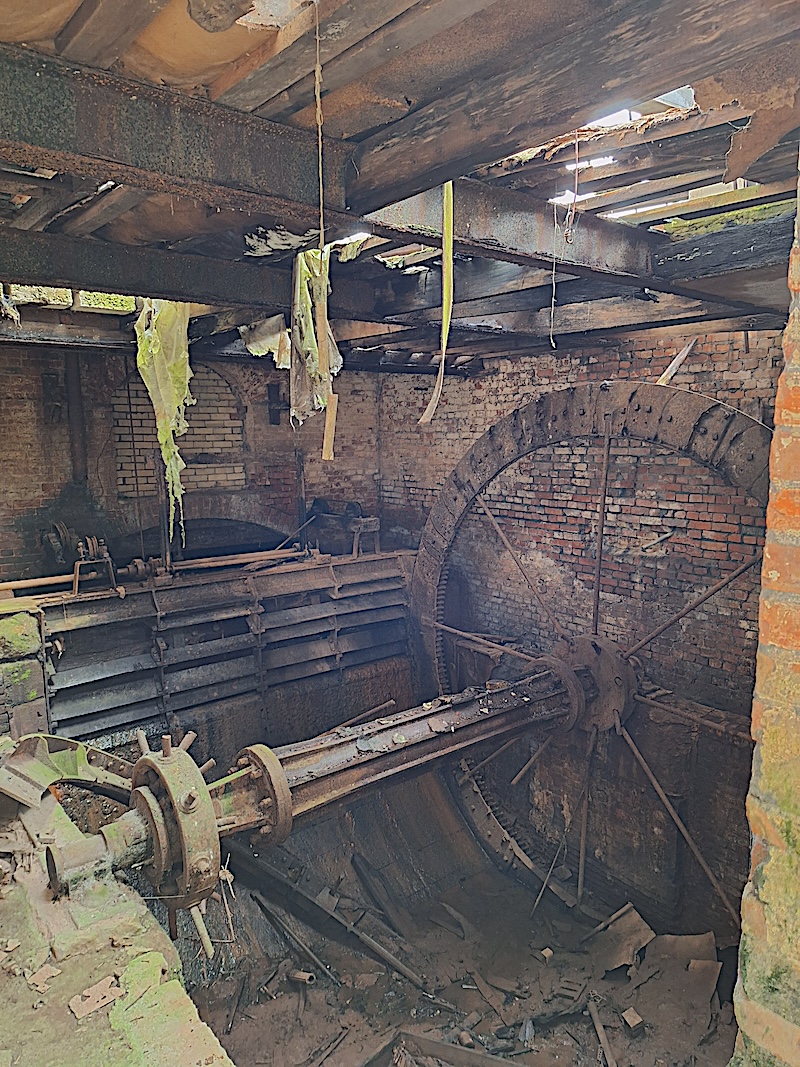
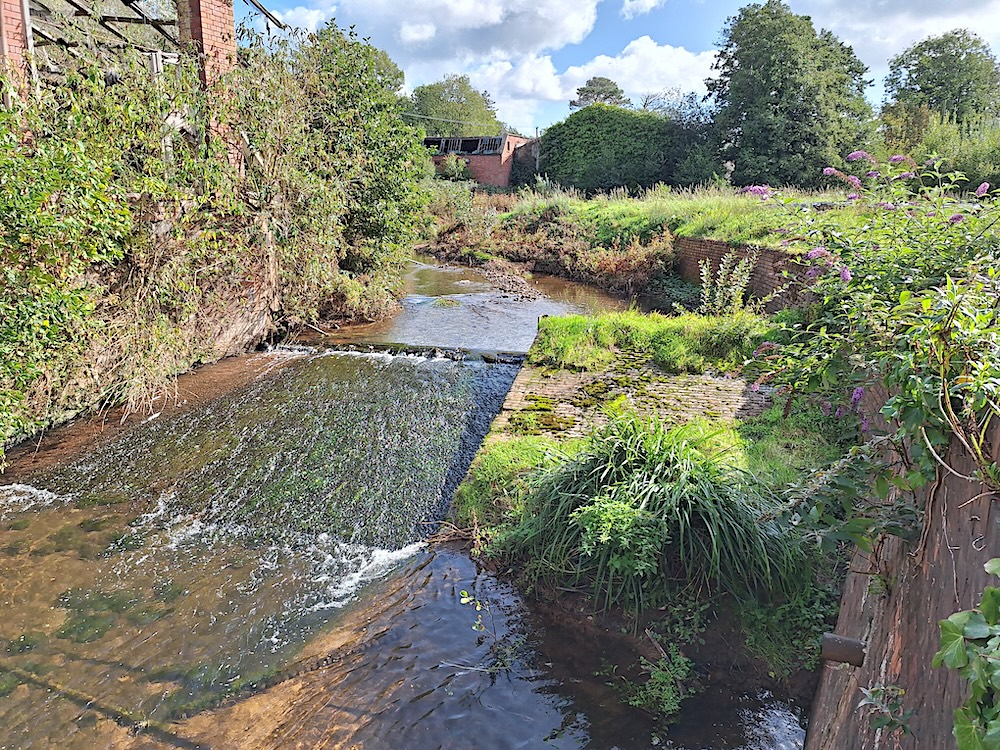
They used to be fed and powered with water by an intricate system of waterways and structures, natural and diverted tributaries of the River Tone, interlaced with leats, mill-races, culverts, holding ponds, weirs, sluices and gates (pictured below). Some waterways sit within 63 acres of redundant farmland bought by Somerset West and Taunton Council, passed over to Somerset Council in 2023.
Working closely with Historic England and a range of other organisations, the council wants to protect and find new uses for this manufacturing complex. It’s judged by Historic England to be the most important complex of its kind in the South West, and one of the most important in England. It includes 15 Listed Buildings, three of them classified as rare Grade II*, 12 as Grade II.
In March 2023, the SRA agreed to fund a study of how the complex, land nearby and its wider catchments, could be used to reduce flood risks upstream, around Wellington, and downstream towards Taunton. Somerset Council commissioned consultants at Arup, and as part of a much wider investigation into possibilities for the whole site, they completed their flood-related research in March 2024. Text continues below images.
An important part of this research was involvement with local people, groups and organisations such as the Wellington Town Council Green Corridor Advisory Board. As the council’s project manager wrote to the SRA: “Our engagement throughout the project with the community was a key part of the process and their input was invaluable… We were really pleased with the amount of input and passion from the community and hope to foster this going forward in future works and projects.”
Several different approaches were taken in the flooding study.
Two examples.
Firstly, Arup looked at the potential impacts of introducing numerous Natural Flood Management measures across a large part of the River Tone catchment (62.7km2, upstream of Tone Works and downstream of Clatworthy Reservoir) and the Back Stream catchment (upstream of Tonedale Mill). They calculated that up to 109,000m3 and 33,500m3 of water could be held back and stored in the Tone and Back Stream catchments respectively, if landowners were successfully engaged and enough land was made available. Peak flood flows could be reduced by up to 11.5% and 14.9% respectively.
Secondly, different possibilities were considered for the actual complex of historic mills. A strategic decision was taken by Somerset Council and consultees to opt for resilience to flooding rather than resistance. This means not seeking to prevent flooding entirely but aiming instead to make places safe during flooding and able to recover quickly from any flooding. So, in practice no flood walls up to two metres high are envisaged, as these would compromise the mills’ heritage value and also simply be quite dangerously hard to build within the sites’ many physical constraints.
This stance is acknowledged by the project team to be bold.
Resilience measures are rarely opted for when flood depths (as at Tone Works) are expected to reach up to 1.6 metres in the kind of flooding that has a 1% chance of happening every year. And experiences from elsewhere in the country (places such as York, Stockport and Caernarfon) suggest that to have a secure future, sites need to be able to achieve some kind of commercial viability. The project team’s hope for Wellington is that it will become “a national exemplar” for flood resilience in buildings of heritage value. Interest has been expressed by Historic England “in enhancing and embracing the existing connection to water creatively”.
In the next two to three years, the Environment Agency intends to carry out more modelling for the main watercourses in the Wellington area, which can then be used to help firm up plans for flood reduction and resilience works.